
Life changes.
Work becomes busier. Children arrive. Routines change. Sometimes, moving to a new place means starting over.
Many people step away from strength training for months or even years.
Returning can feel difficult.
Strength can be rebuilt.
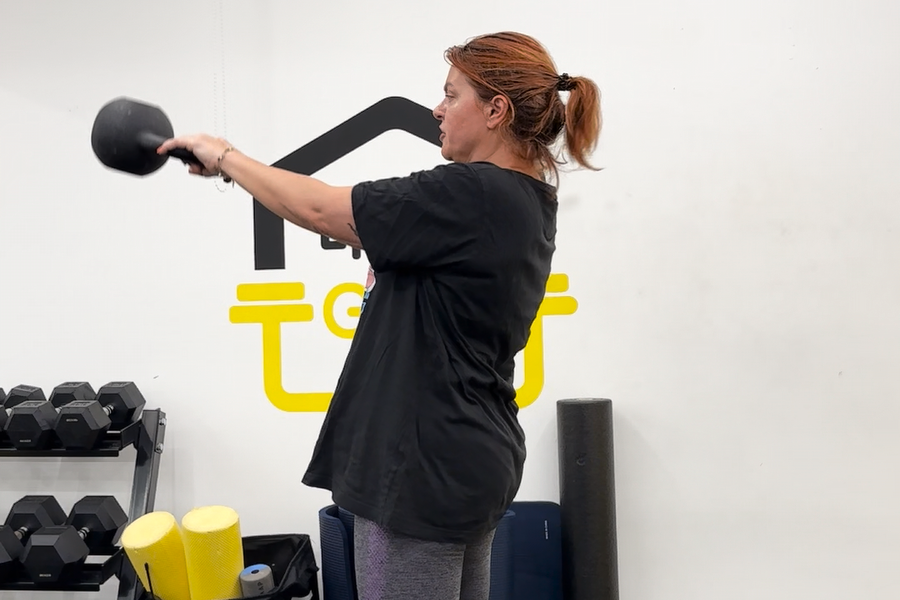
Strength Supports Everyday Life
Strength is about more than lifting heavier weights.
It helps you carry groceries, climb stairs, play with your children, lift a suitcase, and stay active without everyday tasks feeling harder than they should.
For most people, these everyday moments are the reason strength matters.
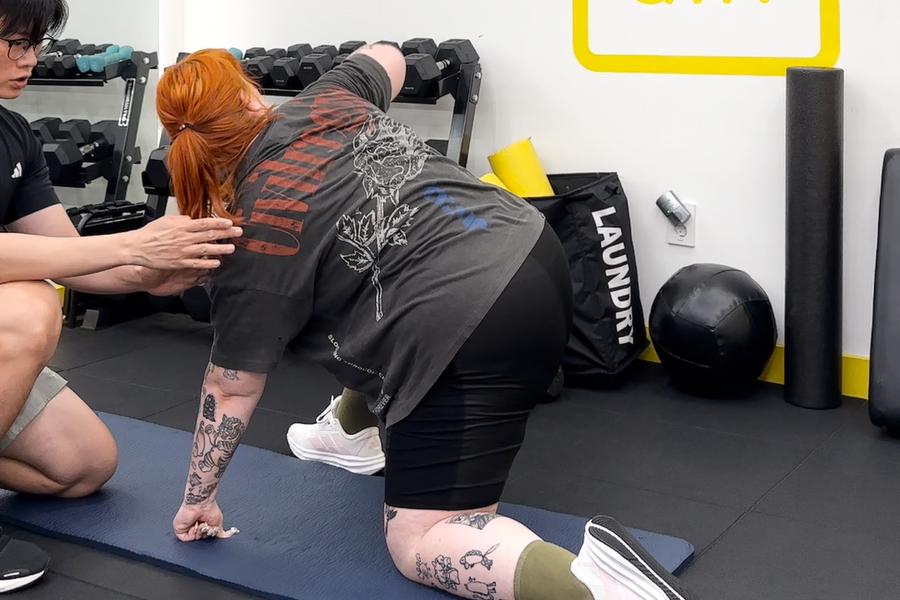
Strength Protects Your Health
From around the age of 30, muscle mass and strength gradually decline if they are not maintained(Volpi et al., 2004).
This affects more than physical appearance.
Reduced muscle strength is associated with lower mobility, poorer balance, reduced metabolic health, and a lower quality of life(Goodpaster et al., 2006).
Regular strength training helps preserve muscle, maintain bone health, and support healthy aging(ACSM, 2021).
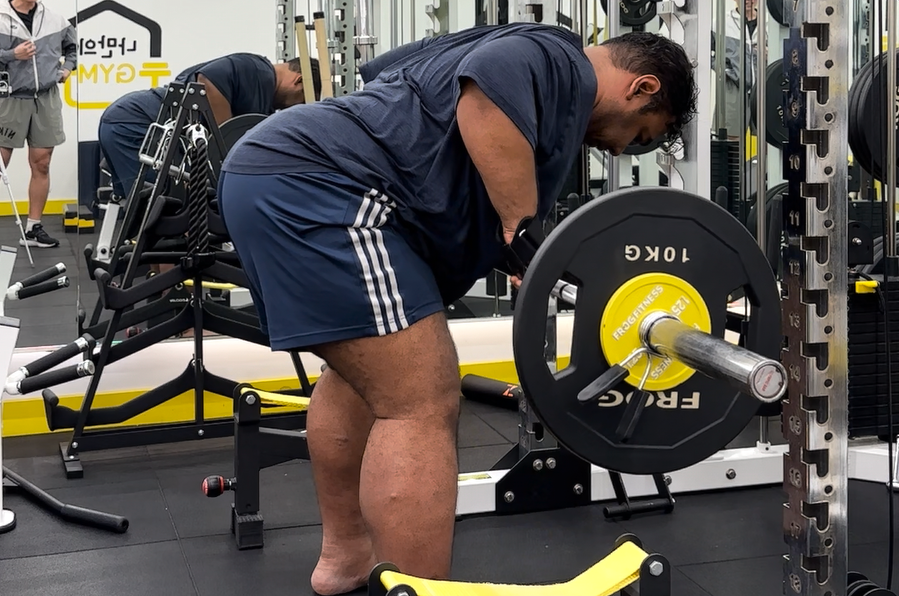
Strength Improves How You Move
Moving well isn’t about looking perfect.
It is about moving with control and confidence.
As strength improves, so do stability, coordination, and balance.
Everyday movement becomes easier, safer, and more efficient.
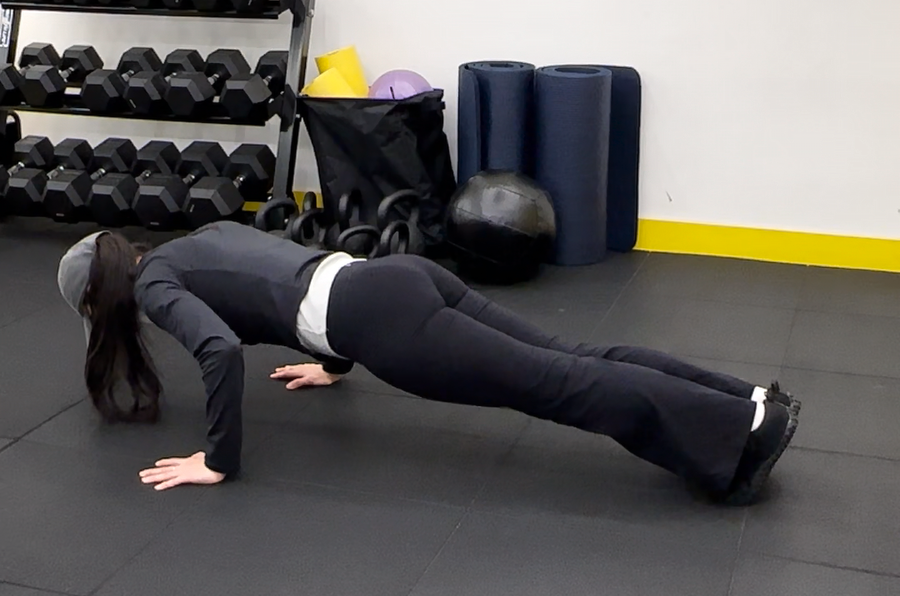
Strength Builds Confidence
Confidence grows through progress.
As you become stronger, you begin to notice small improvements in everyday life.
Your body feels more capable.
Small improvements make it easier to stay consistent.
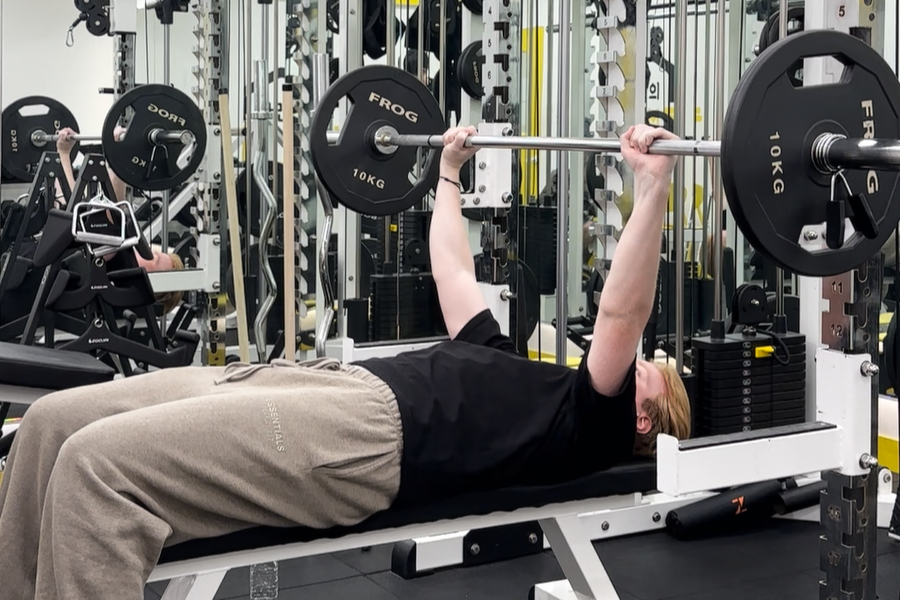
Strength Is Built Over Time
Lasting strength is built through consistent practice.
Every training session moves you forward.
Over time, those small improvements become meaningful, lasting results.
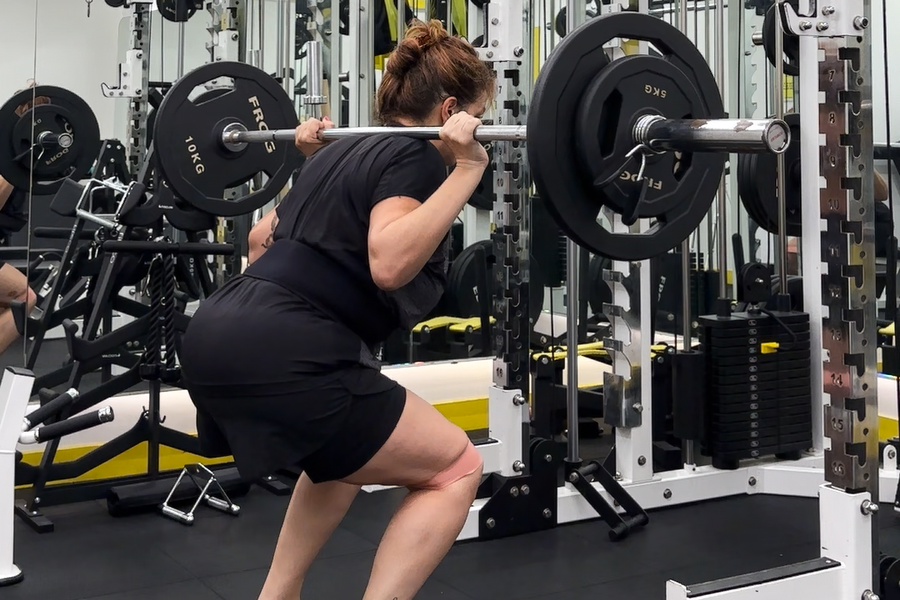
Where Do You Start?
Understanding why strength matters is the first step.
In the next article, we’ll explore how to build strength safely and make it part of everyday life.
References
American College of Sports Medicine. (2021). ACSM’s guidelines for exercise testing and prescription (11th ed.). Wolters Kluwer.
Goodpaster, B. H., Park, S. W., Harris, T. B., Kritchevsky, S. B., Nevitt, M., Schwartz, A. V., Simonsick, E. M., Tylavsky, F. A., & Newman, A. B. (2006). The loss of skeletal muscle strength, mass, and quality in older adults: The Health, Aging and Body Composition Study. The Journals of Gerontology: Series A, 61(10), 1059–1064. https://doi.org/10.1093/gerona/61.10.1059
Volpi, E., Nazemi, R., & Fujita, S. (2004). Muscle tissue changes with aging. Current Opinion in Clinical Nutrition and Metabolic Care, 7(4), 405–410. https://doi.org/10.1097/01.mco.0000134362.76653.b2
Westcott, W. L. (2012). Resistance training is medicine: Effects of strength training on health. Current Sports Medicine Reports, 11(4), 209–216. https://doi.org/10.1249/JSR.0b013e31825dabb8