
Strength training starts with a simple first step.
Maybe it’s been years since your last workout. Maybe life became busier with work, raising young children, or settling into life in Korea. Or maybe you’ve never had the opportunity to learn strength training with confidence.
Every strength journey begins with understanding where you are today and taking the next step forward.
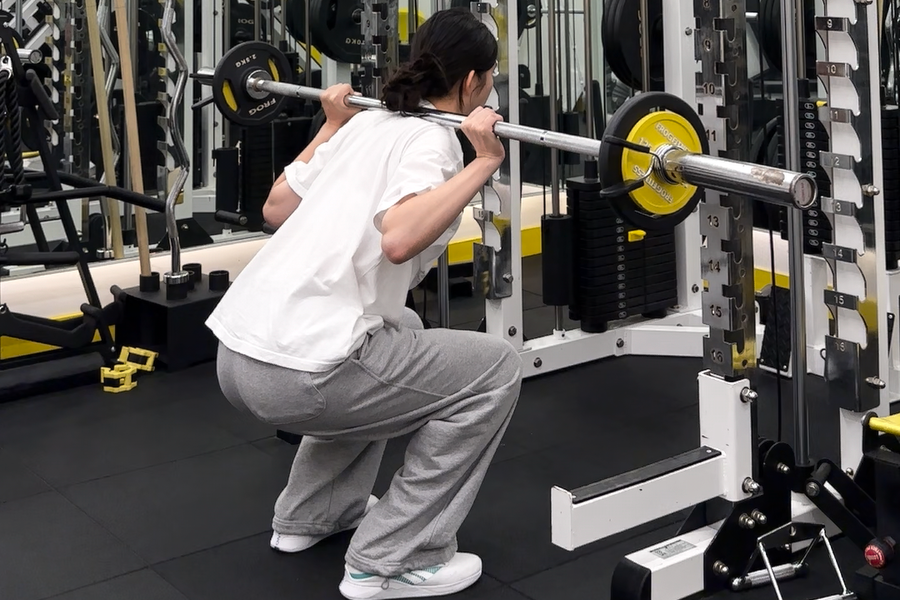
How Should You Start Strength Training?
Many people believe progress comes from doing more. In reality, it comes from showing up consistently.
If you’re new to strength training or returning after a long break, two or three well-planned sessions each week are enough to build strength, improve fitness, and develop healthy habits (World Health Organization, 2020; Garber et al., 2011).
Starting with a manageable routine gives your body time to adapt while building confidence from one workout to the next.
The goal is to build a routine that you’ll still be following months from now.
Build a Strong Foundation
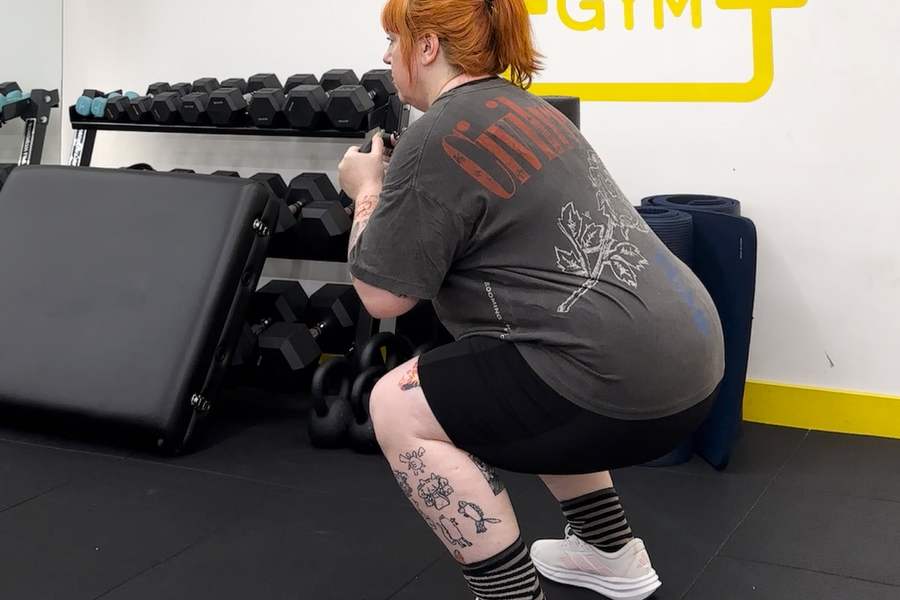
Every strength program begins with a few fundamental movement patterns.
Learning to squat, hinge, push, pull, carry, and brace gives your body a strong foundation for future progress. These movements improve coordination, balance, stability, and overall strength while preparing you for more challenging exercises later on (Fragala et al., 2019).
Good technique isn’t about perfection. It’s about moving well, training safely, and building confidence over time.
For many people, especially after time away from exercise, rebuilding movement quality is one of the best places to begin.
How Do You Build Strength Safely?
Strength develops gradually.
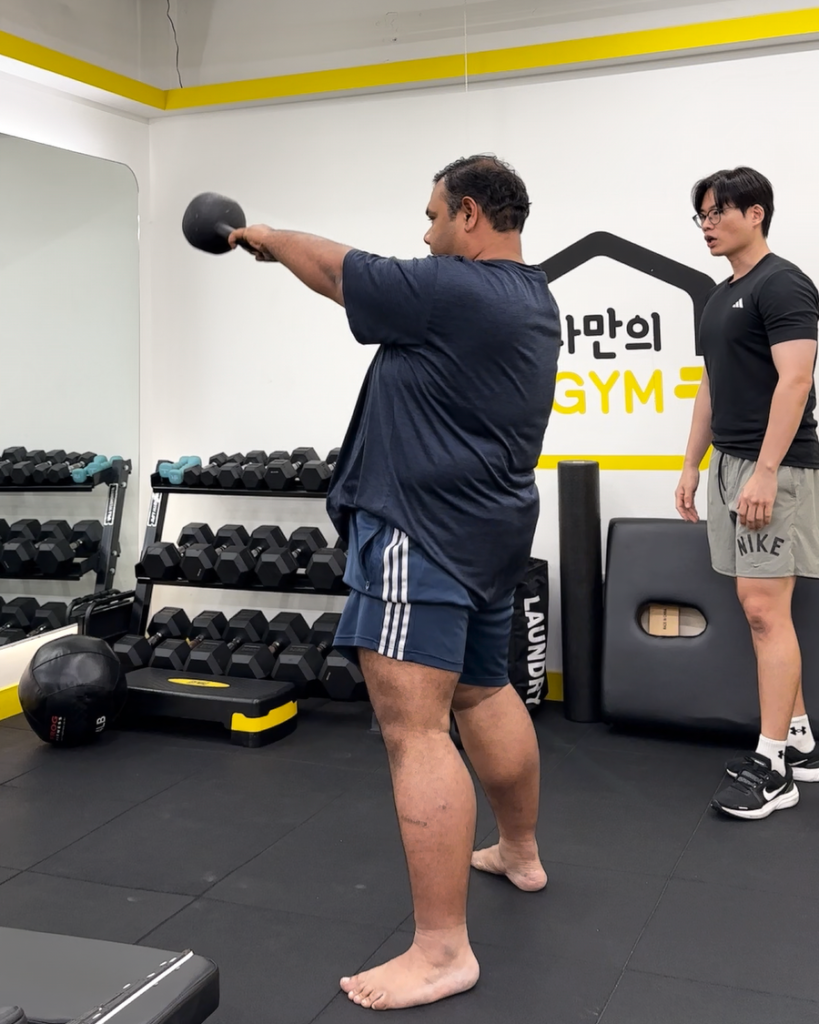
Your body becomes stronger by adapting to training that gradually becomes more challenging, a principle known as progressive overload (Fragala et al., 2019).
Progress can take many forms.
Progress may look like:
- Performing one additional repetition with good technique
- Improving movement quality and confidence
- Completing an extra set when appropriate
- Gradually increasing the weight once an exercise feels comfortable
Small improvements may seem insignificant from one workout to the next, but they add up over weeks and months.
Building strength safely means giving your body the opportunity to adapt at a pace it can sustain.
Recovery Supports Progress
Progress doesn’t happen only while you’re training. It happens while your body recovers.
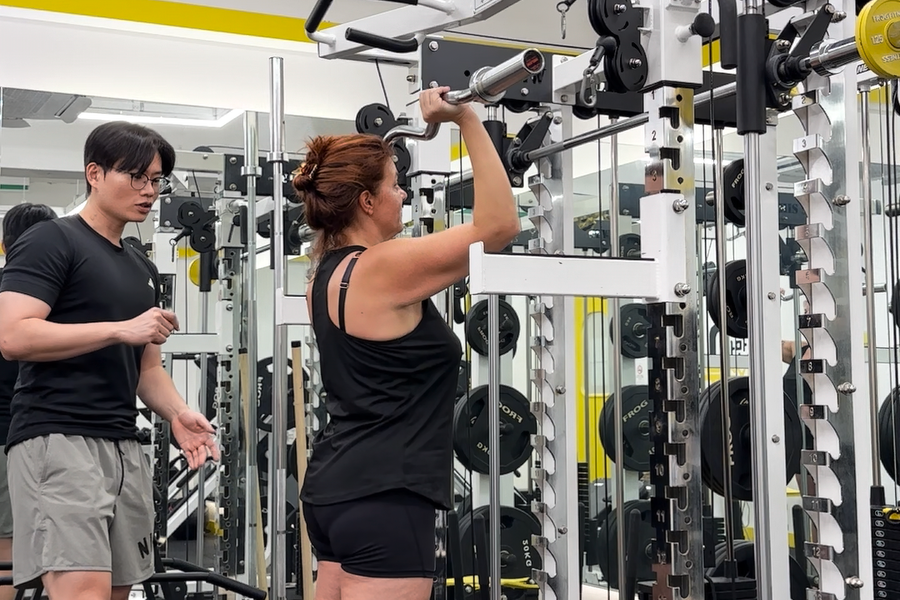
Recovery includes getting enough sleep, eating enough protein, staying physically active throughout the day, and allowing enough time between challenging workouts. These habits support your body’s ability to adapt, helping you become stronger over time (American College of Sports Medicine, 2021).
A well-designed strength program gives your body enough time to recover, adapt, and come back stronger for the next session.
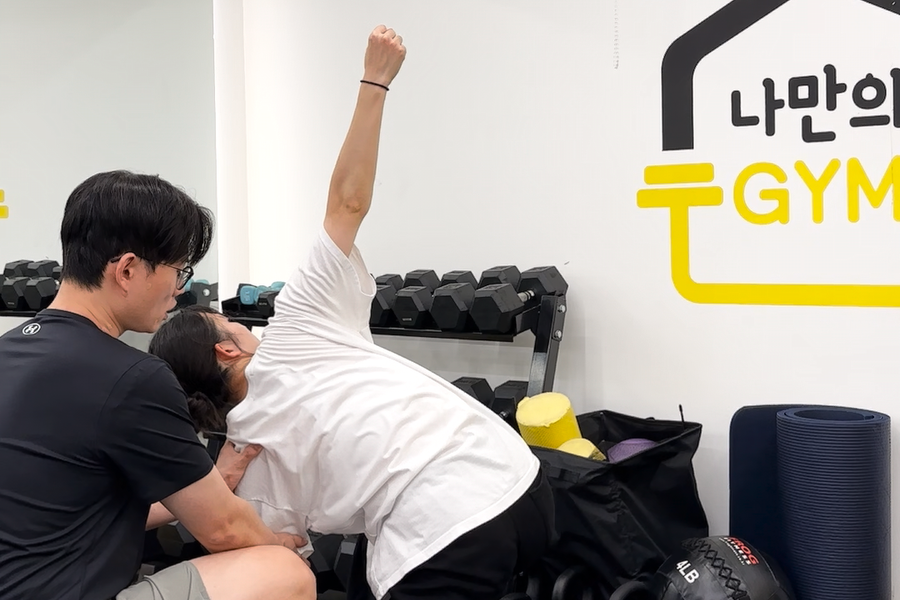
Build Strength That Fits Your Life
The best strength program is one you can continue.
Life changes. Your training can change with it.
Work, raising young children, or moving to a new country can all change how much time and energy you have available. A good training plan adapts to those changes while helping you continue moving toward your goals.
Strength training should support your life, not compete with it.
When your training fits your schedule and your lifestyle, it becomes something you can enjoy and maintain for years to come.

REFINE Insight
Build confidence before intensity.
A strong foundation supports long-term progress.
Your First Step
Every strength journey begins with understanding where you are today.
Book a 30-minute consultation to discuss your goals, training history, and the approach that’s most appropriate for you.
Together, we’ll help you build a clear path toward stronger, healthier living.
Scan the QR code below to book your consultation.

What’s Next?
Getting started is only the beginning.
In the next article, How Often Should You Strength Train?, you’ll learn how to build a training schedule that supports your health, fits your lifestyle, and helps you continue making steady progress.
References
American College of Sports Medicine. (2021). ACSM’s Guidelines for Exercise Testing and Prescription (11th ed.). Wolters Kluwer.
Fragala, M. S., Cadore, E. L., Dorgo, S., Izquierdo, M., Kraemer, W. J., Peterson, M. D., & Ryan, E. D. (2019). Resistance training for older adults: Position statement from the National Strength and Conditioning Association. Journal of Strength and Conditioning Research, 33(8), 2019-2052.
Garber, C. E., Blissmer, B., Deschenes, M. R., Franklin, B. A., Lamonte, M. J., Lee, I. M., Nieman, D. C., & Swain, D. P. (2011). Quantity and quality of exercise for developing and maintaining cardiorespiratory, musculoskeletal, and neuromotor fitness in apparently healthy adults. Medicine & Science in Sports & Exercise, 43(7), 1334-1359.
World Health Organization. (2020). WHO Guidelines on Physical Activity and Sedentary Behaviour.